
Community
Woman faces felony for sending explicit video to child she babysat
By Fatima Khan
Advertisement · Why this ad?
A graduate of the University at Buffalo, Leila has spent five years in journalism, previously working at a community-focused news outlet in Rochester, NY. She specializes in uncovering the diverse voices and cultural richness of Syracuse’s neighborhoods, bringing their stories to light.
More from Leila →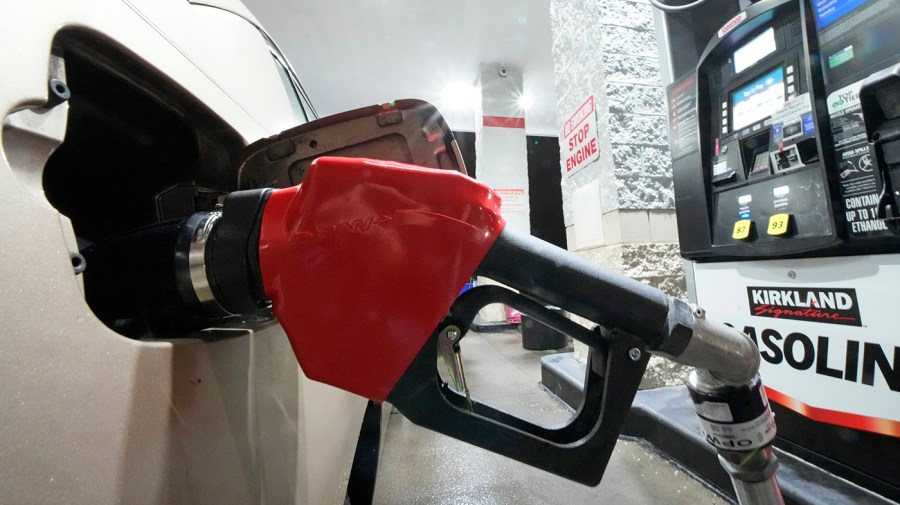
On a bright Thursday afternoon in Fulton, the hum of engines and the scent of fresh asphalt filled the air as local drivers lined up at the new Byrne Dairy station on the south side of town. Among them was Sarah Miller, a mother of three, who pulled into the lot with a hopeful smile. She had heard rumors of lower gas prices, and with gas prices soaring elsewhere, her anticipation was palpable. Little did she know, her simple trip to fill up would be part of a larger story about community resilience and the power of a local business to stir change.
Earlier this week, residents of Fulton woke up to an unexpected surprise: the price of unleaded gasoline at the new Byrne Dairy station had dropped to an astonishing $2.89 per gallon as of Thursday afternoon. This marked a significant dip compared to the average prices in the region, which often hover around $3.20 or higher. The sudden price cut is believed to be the result of a fierce gas war initiated by the station’s management, aiming to attract more local customers and establish a foothold in a competitive market.
The move has sparked a flurry of activity, with local drivers flocking to the station in hopes of saving a few dollars on their weekly fill-up. The owner, Mark Collins, explained that the aggressive pricing strategy was a response to the arrival of another gas station just a few blocks away. “We wanted to offer something special to our community, especially during these tough economic times,” Collins said. “It’s about supporting families and keeping money circulating right here in Fulton.”
The response from residents has been overwhelmingly positive. For many, the lower prices mean more than just savings; they symbolize a community standing together in the face of economic challenges. Local pastor Reverend James Carter remarked, “When businesses like Byrne Dairy step up to help families, it reinforces the importance of faith and commitment in our community. It’s a reminder that we’re stronger when we support each other.”
Experts say that such price wars are not uncommon in small towns, but they can have lasting effects beyond just immediate savings. Lower gas prices can boost local spending, encourage more people to shop at nearby stores, and even attract visitors from neighboring areas. However, they also raise questions about sustainability. Collins admits that the current pricing isn’t sustainable long-term but hopes it will give his station a competitive edge. “We’re playing the long game here,” he added, “and we want to see Fulton thrive.”
As the community celebrates this unexpected boon, city officials and local business leaders are watching closely. Some worry about the potential for price wars to hurt smaller stations that can’t compete at such low levels. Others see it as an opportunity to foster healthy competition and innovation. The Fulton Chamber of Commerce has expressed interest in supporting local businesses that prioritize community well-being, emphasizing the importance of strong, family-oriented enterprises that uphold Christian values and community stability.
Looking ahead, residents like Sarah Miller hope that this price war will lead to more than just short-term savings. They see it as a reminder of what can be achieved when local businesses and families work together. As she drives away, she comments, “It’s about more than gas; it’s about keeping our community united and resilient. That’s the real fuel that keeps Fulton moving forward.”
Fulton, a small city nestled along the banks of the Oswego River in Oswego County, has long been a hub of local industry and community spirit. Known for its historic downtown, vibrant small businesses, and strong sense of neighborliness, Fulton’s economy has faced its share of challenges over the past decades, including factory closures and shifting industrial priorities. The recent gas war is seen by many as a sign of resilience—a way for local entrepreneurs to adapt and find new avenues for growth amidst economic uncertainty.
Many residents have deep roots in Fulton, with families that have lived here for generations. The community’s identity is intertwined with local businesses, churches, and schools that serve as pillars of stability. The Fulton City School District, for example, has been a cornerstone for youth development, fostering a sense of hope and opportunity. Local organizations like the Fulton Community Development Agency have been working tirelessly to attract new investments and support small businesses, recognizing that community-driven efforts are vital to the town’s future.
Mark Collins, the owner of the new Byrne Dairy station, is a lifelong Fulton resident. He grew up in a family of small business owners and has always believed in giving back to his community. Collins, in his early 50s, took over his family’s dairy operations several years ago and expanded into retail, opening the new gas station as part of a broader vision to serve local families better. He’s known for his approachable manner and commitment to community causes, including sponsoring youth sports leagues and supporting local food drives. His decision to engage in a price war was driven by a desire to help residents during a difficult economic period, even if it means short-term sacrifices.
Reverend Carter has been serving the Fulton community for over 20 years. His church, Mount Zion Baptist, is a gathering place not only for worship but also for community outreach and aid programs. Carter sees the gas war as a reflection of the community’s resilience and the importance of faith in overcoming economic hardships. “When businesses step up,” he says, “it’s a tangible sign that we’re all in this together. Faith, community, and support are what keep us moving forward.” His leadership has helped foster collaborations between local organizations and churches to address issues like food insecurity and job training.
This gas war is more than just a short-term economic stunt; it’s a rallying point for Fulton’s collective identity. For residents, especially those on fixed incomes or with tight budgets, saving a few dollars on gas can mean the difference between making ends meet or struggling. It also boosts morale, showing that local businesses can innovate and compete without losing sight of their community roots.
Moreover, the event has sparked conversations about the importance of supporting local enterprises that prioritize community values. As Fulton continues to rebuild and adapt, stories like this serve as a reminder that resilience often comes from within—through local leadership, faith, and a shared commitment to prosperity.
While the current price war has brought immediate relief, many are wondering what the future holds. Some analysts predict that the prices will stabilize once the competition intensifies and the market adjusts. Others worry about the sustainability of such aggressive pricing strategies, especially if fuel costs rise again or if larger corporations decide to enter the fray.
For local businesses, the challenge will be maintaining momentum without sacrificing long-term viability. The Fulton Chamber of Commerce is considering initiatives to support small businesses in developing innovative marketing strategies, community outreach programs, and cooperative purchasing efforts to weather similar economic storms in the future.
On a community level, residents hope that this episode will inspire more local collaborations, whether through joint ventures, community events, or shared resources. The story of Fulton’s gas war is already becoming a symbol of local ingenuity and community strength, and many believe it could serve as a catalyst for broader economic revitalization.
In the coming weeks, city officials plan to monitor the situation closely, ensuring that smaller stations are not unfairly pushed out of the market and that consumers continue to benefit from fair, competitive prices. The local government is also exploring ways to support economic development through grants and incentives aimed at fostering sustainable growth and community resilience.
As residents fill their tanks and their hearts, Fulton’s story continues to unfold—one of hope, perseverance, and the enduring power of community-driven initiatives. With local leaders, business owners, and families working together, the town is poised to navigate these challenging times and emerge stronger than ever.
By Fatima Khan

By Maria Gomez

By Maria Gomez

By Ava Martinez